THIS IS Ágora.
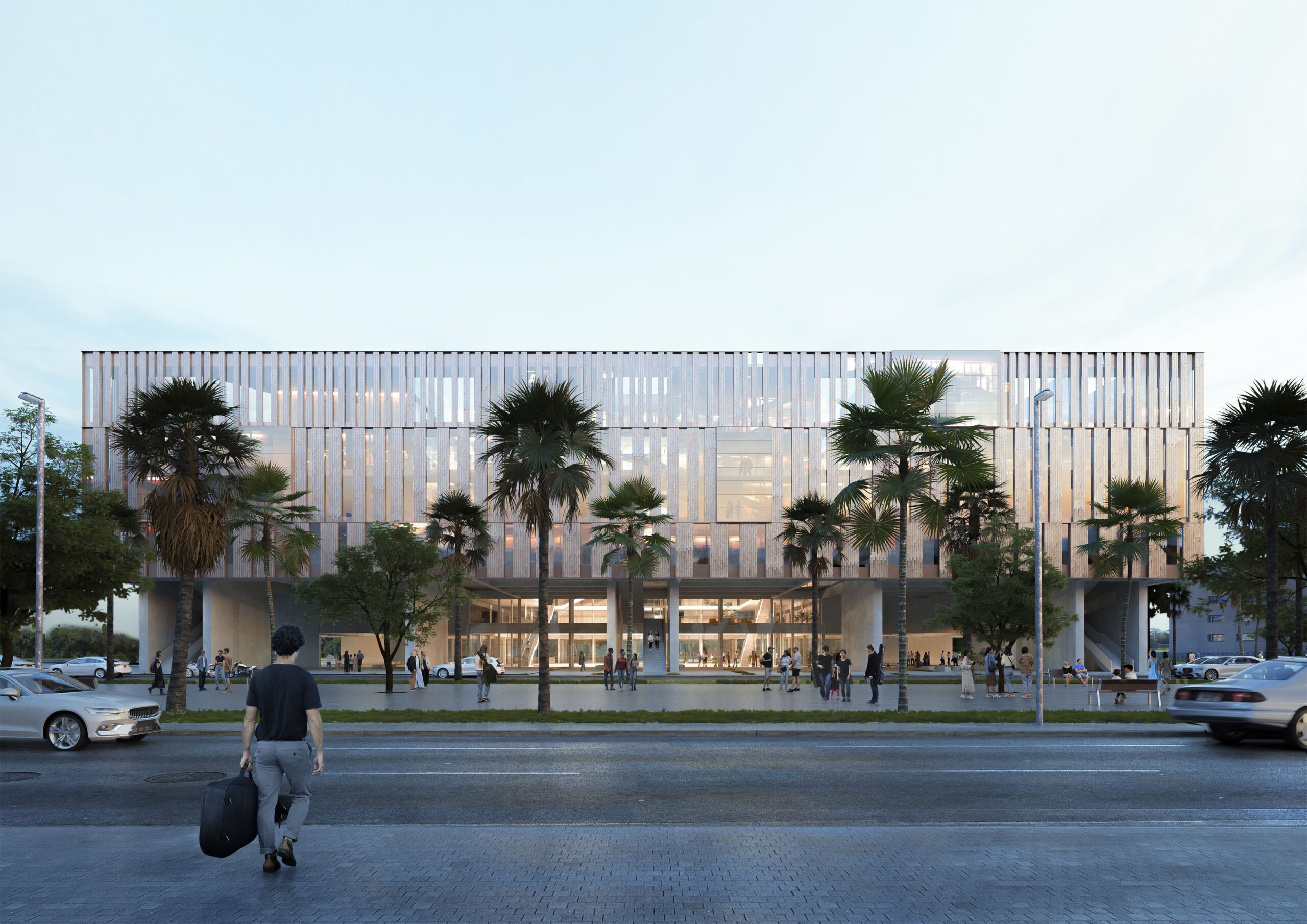
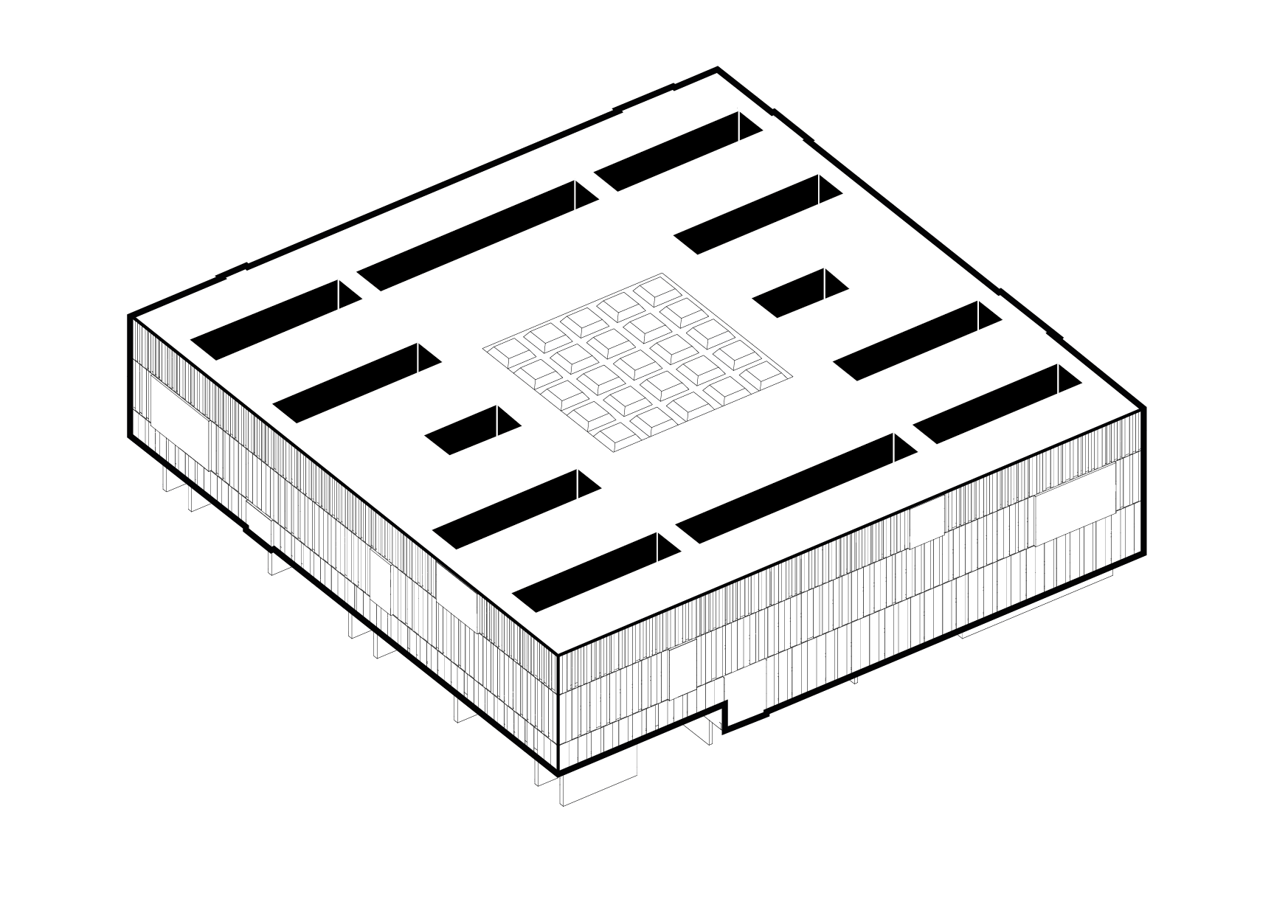
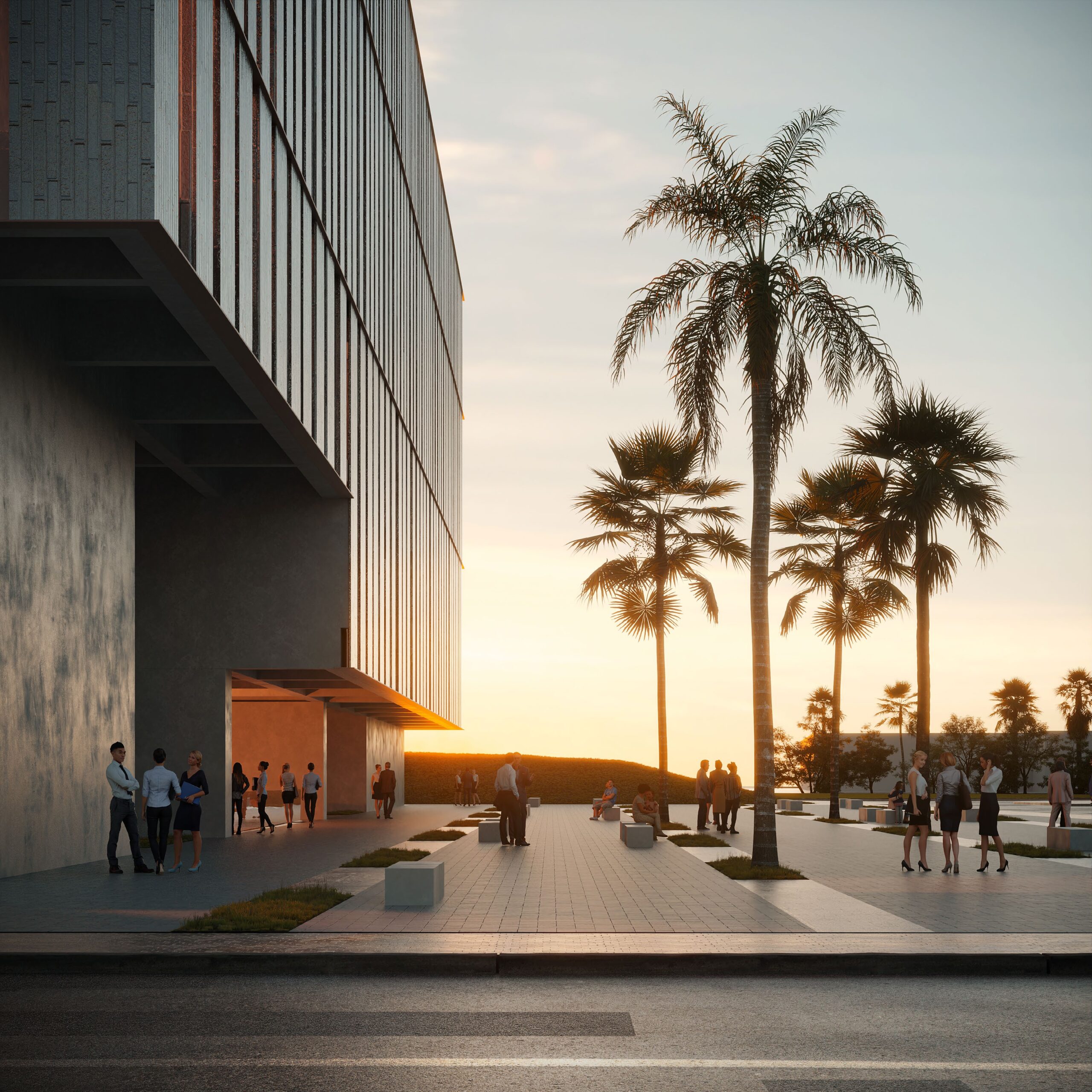
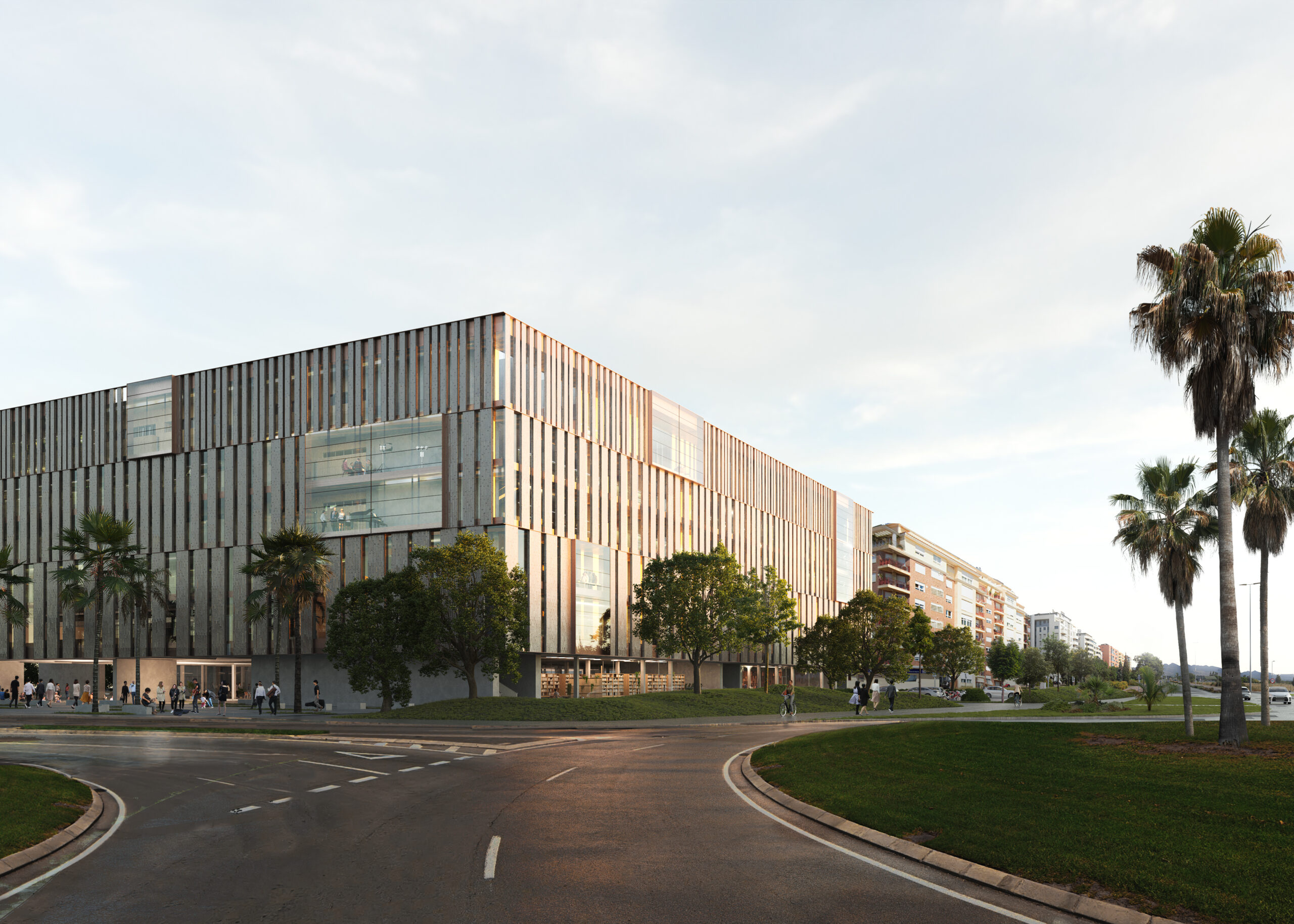
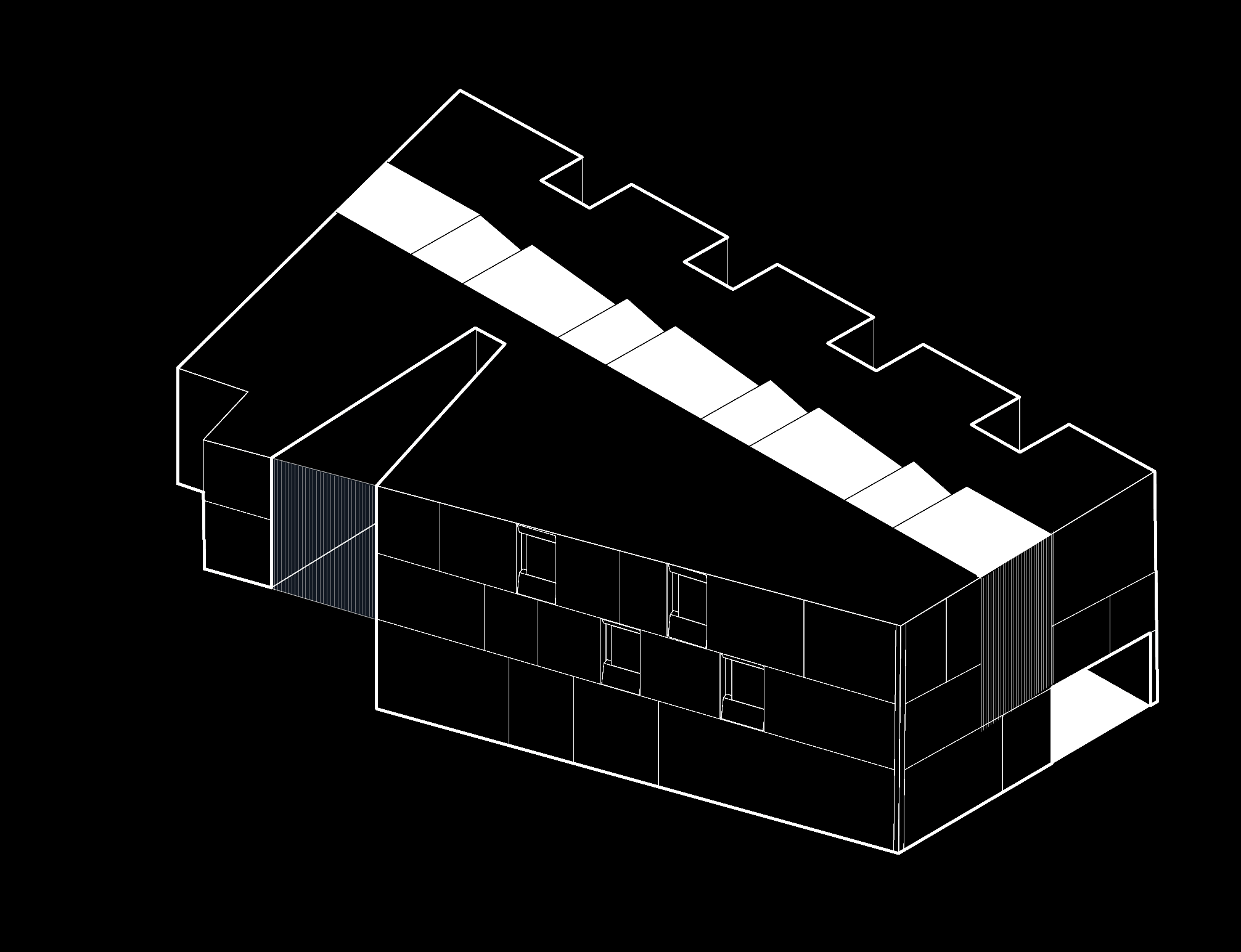
A compact, elevated volume that reduces its footprint and frees the ground to create a permeable, active public square.
On the edge of Castellón, the new Conservatories of Music and Dance occupy a privileged site: between two major green lungs, open to Mediterranean views and sheltered by Manuel Babiloni Park.
LOCATION
Castellón, España
AREA
22.000 m2
YEAR
2023
PHOTOGRAPHY
PLAY-TIME
STATUS
Competition - Shortlisted
PARTNERS
Dietmar Feichtinger Architects
Estudio Mars
Its position makes the building a cultural gateway, connecting landscape, neighbourhood and public space.
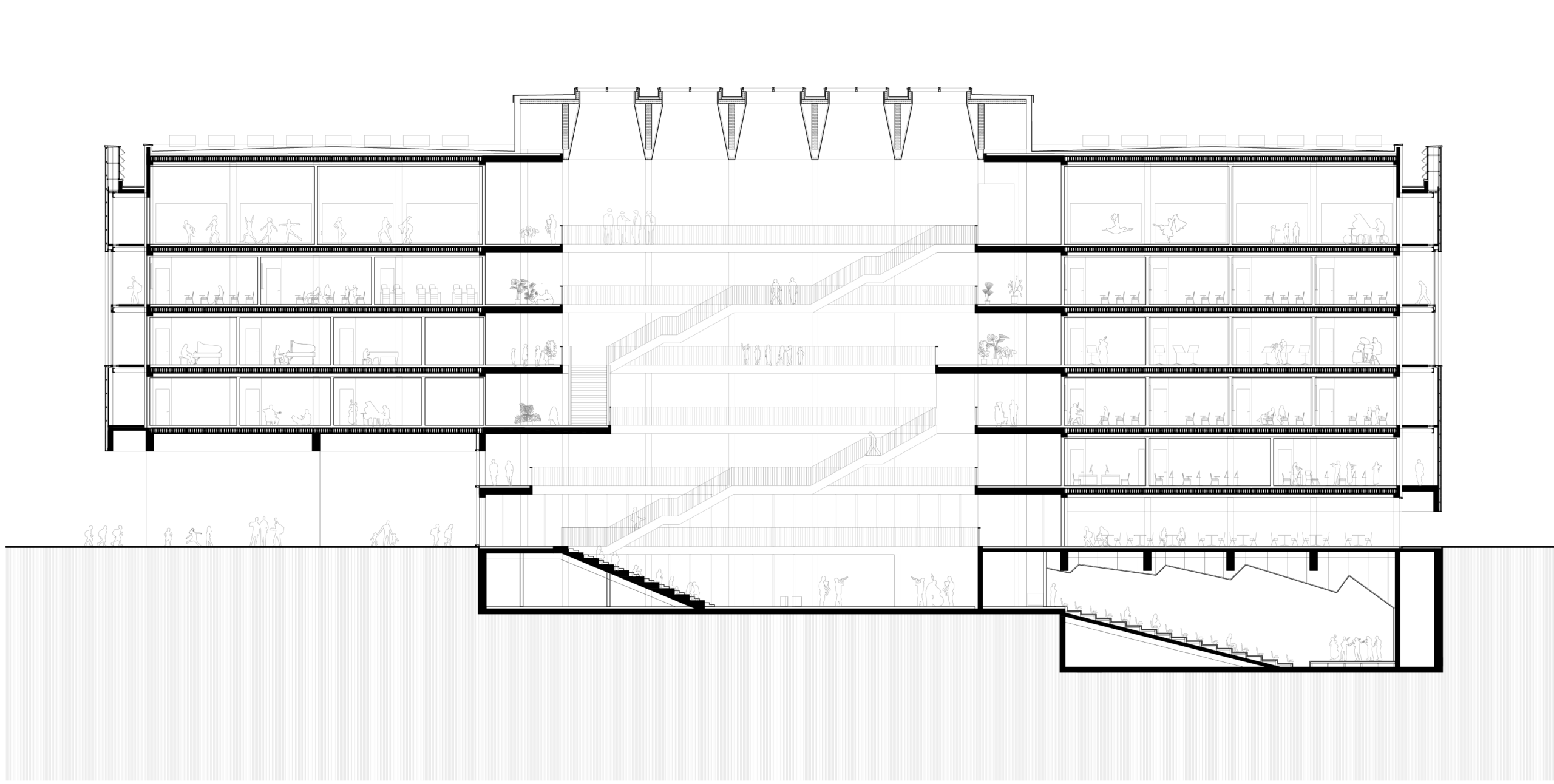
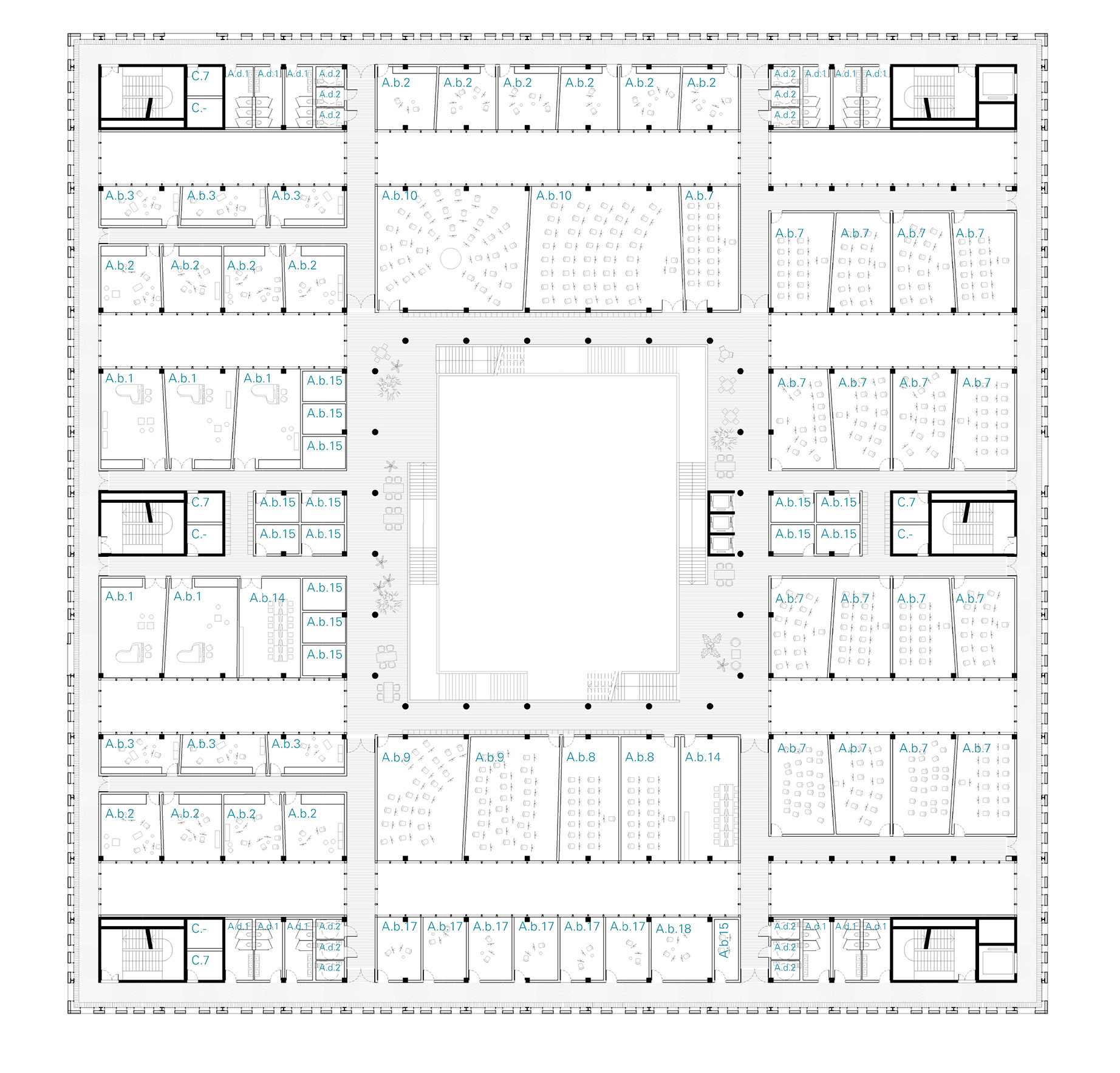
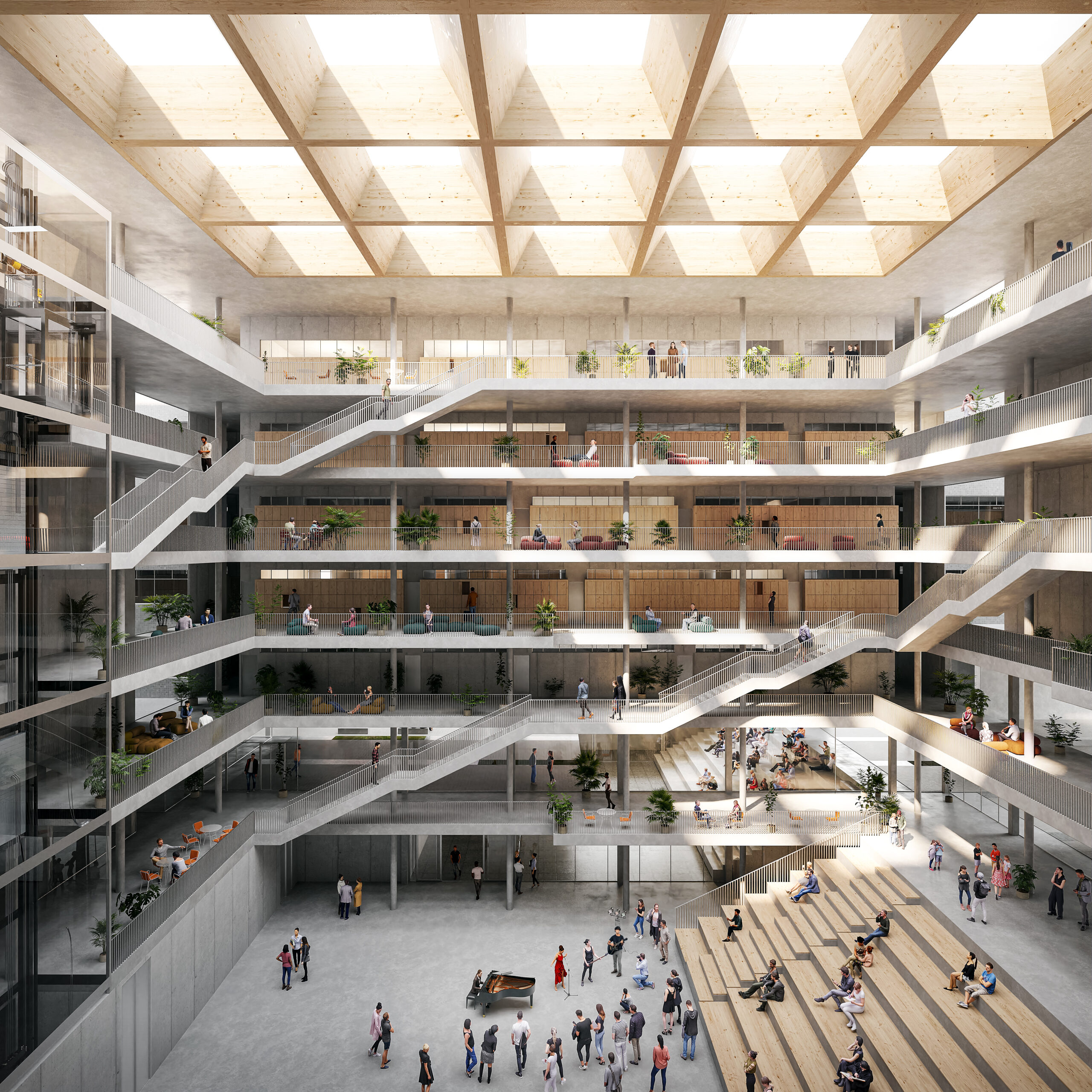
The volume is recessed to the east and south to integrate with the green belt and surrounding facilities, creating shaded, open, covered areas. A large central atrium acts as a contemporary agora, stitching the conservatories together and blurring the boundary between interior and exterior.
The building organises its programme vertically to optimise space and improve efficiency.
Classrooms and conservatories are distributed by level and connected through the atrium and interior courtyards that provide daylight, cross-ventilation and acoustic privacy.
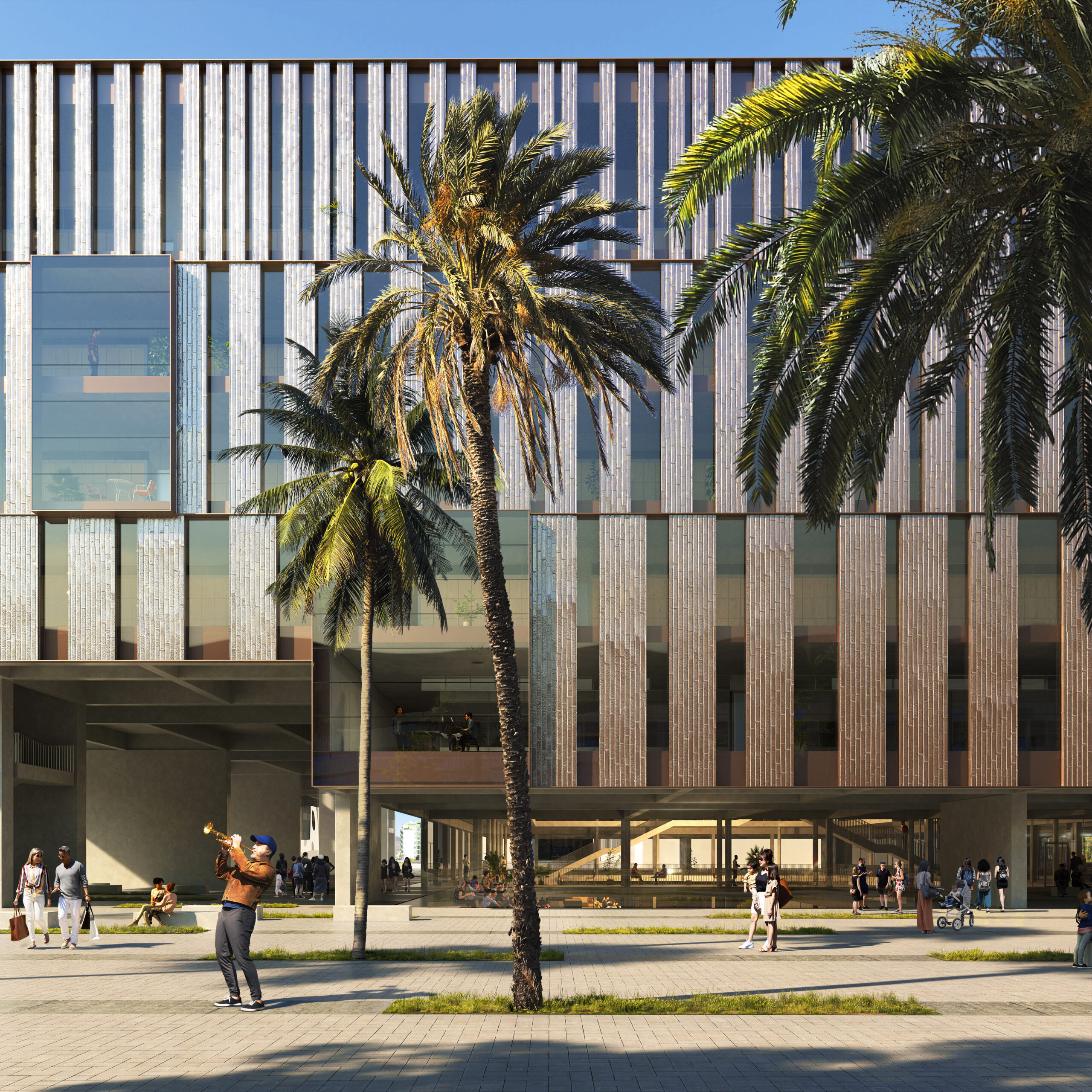
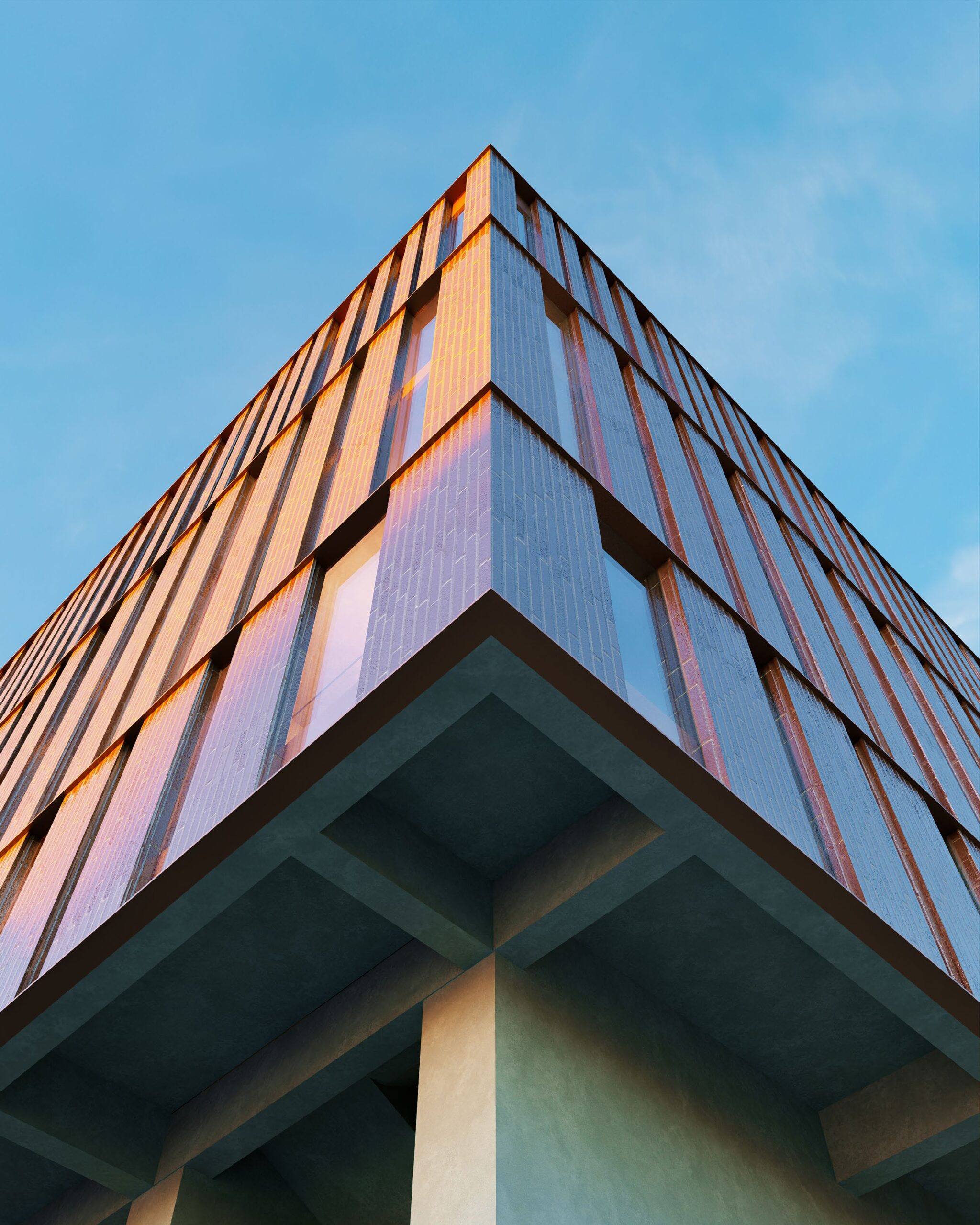
The warm-toned ceramic façade is composed of vertical panels that create a rhythm shifting with Mediterranean light.
As a double skin, it improves energy performance, protects from sunlight, and reflects Castellón’s identity, deeply tied to ceramics.
A large central atrium cuts transversely through the entire program, acting as the building’s common, versatile space. It is a place that fosters synergies among the different disciplines thanks to its spatial and functional flexibility. Rest areas, work tables, concerts… everything happens here.
The atrium becomes a versatile communal space: a place for rest, study, performance or rehearsal. The urban realm becomes an extension of it, offering covered outdoor auditoria where music and dance can be enjoyed even on rainy days.